








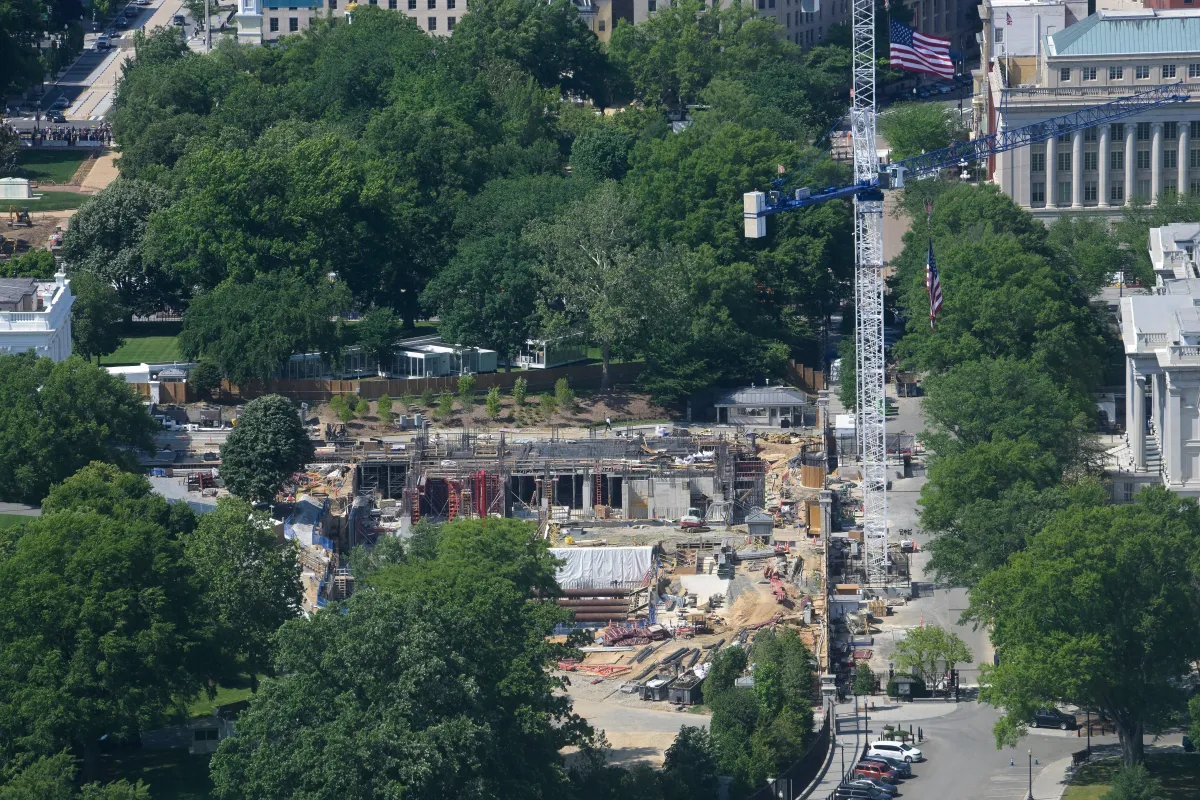
The Senate parliamentarian ruled late Saturday that funding for the proposed White House ballroom cannot be included in the upcoming budget reconciliation bill, delivering a significant procedural setback to one of the Trump administration’s most contentious infrastructure priorities, the Associated Press reported.
Read more Pentagon Defends Hegseth Stumping Against Massie Amid Hatch Act Claims
According to Senator Jeff Merkley, an Oregon Democrat and ranking member of the Senate Budget Committee, the guidance states that “a project as complex and large in scale as Trump’s proposed ballroom necessarily involves the coordination of many government agencies which span the jurisdiction of many Senate committees,” adding the funding provision is outside the scope of the Judiciary panel. The Senate Judiciary Committee and the upper chamber’s Homeland Security Committee had included funding for the new complex in a budget reconciliation bill for federal immigration enforcement, The Hill reported.
The ruling blocks Senate Republicans from using the fast-track reconciliation process, which requires only a simple majority to pass and would have bypassed a guaranteed Democratic filibuster. The administration must now either pursue standalone legislation or attempt to attach the funding to a separate omnibus package—both significantly more difficult paths in a narrowly divided chamber. Any future vote on ballroom funding outside of reconciliation would be subject to a 60-vote threshold.
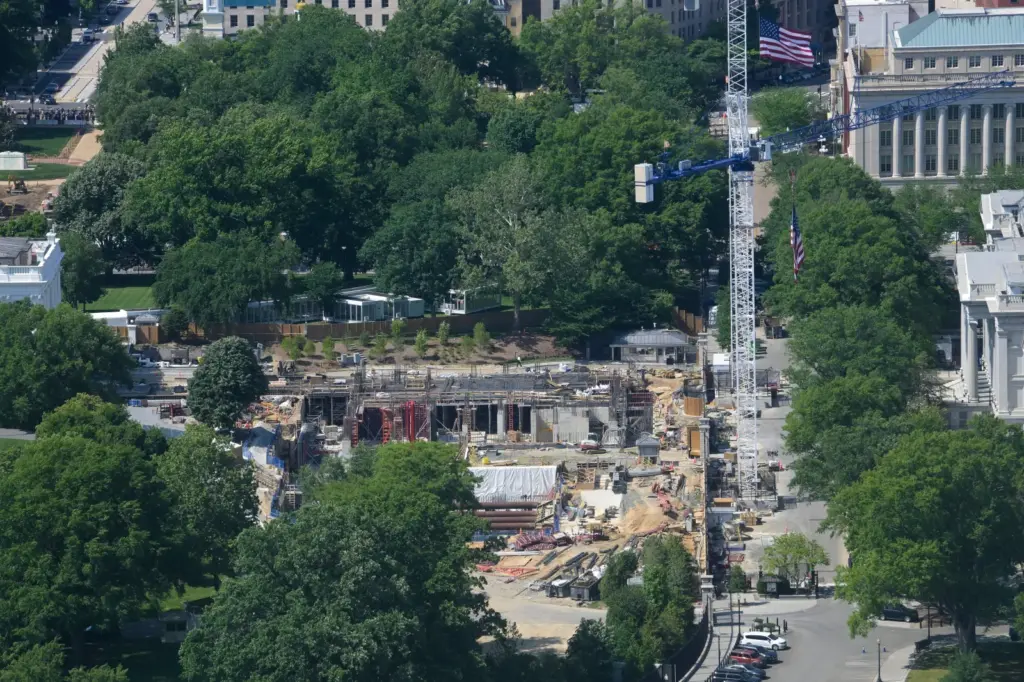
Legislative Maneuvers and the Byrd Rule
The nonpartisan parliamentarian, Elizabeth MacDonough, determined the ballroom proposal violated the Byrd Rule, which dictates that provisions in a reconciliation bill must have a direct, non-incidental budgetary impact. The ruling concluded that the project did not meet the strict “budgetary purpose” requirements necessary for the fast-track process.
“The Parliamentarian’s advice is based on whether a provision is appropriate for reconciliation and conforms to the limitations of the Byrd Rule; it is not a judgement on the relative merits of a particular policy,” a statement from Merkley’s office reads.
Congressional Republicans had inserted the project into the package, framing it as a critical security upgrade. Trump has secured private donors for the project, but the White House said funds from Congress would be used to improve security, though the request has prompted pushback from Democrats and some Republicans. Proponents argue that an on-site venue would drastically reduce the logistics and vulnerabilities associated with hosting large-scale presidential events at outside venues. While the project originally stalled in March, it gained renewed legislative momentum following the assassination attempt on Trump at the White House Correspondents’ Association (WHCA) Dinner in April.
However, congressional Democrats have sharply opposed the measure, labeling it an egregious use of taxpayer funds unrelated to core economic priorities. Historic preservation groups have also raised alarms regarding the permanent disruption to the historic White House grounds.
“Add the ballroom to the laundry list of things Trump said someone else would pay for,” Representative Yassamin Ansari, an Arizona Democrat, wrote earlier this month in an X post. “Ultimately, of course, it’s always the American people footing the bill for his outrageous pet projects. A $1BN price tag while he rips away your healthcare. Sickening.”
Read more Jordan Love Played Key Role in Getting All-Pro to Packers
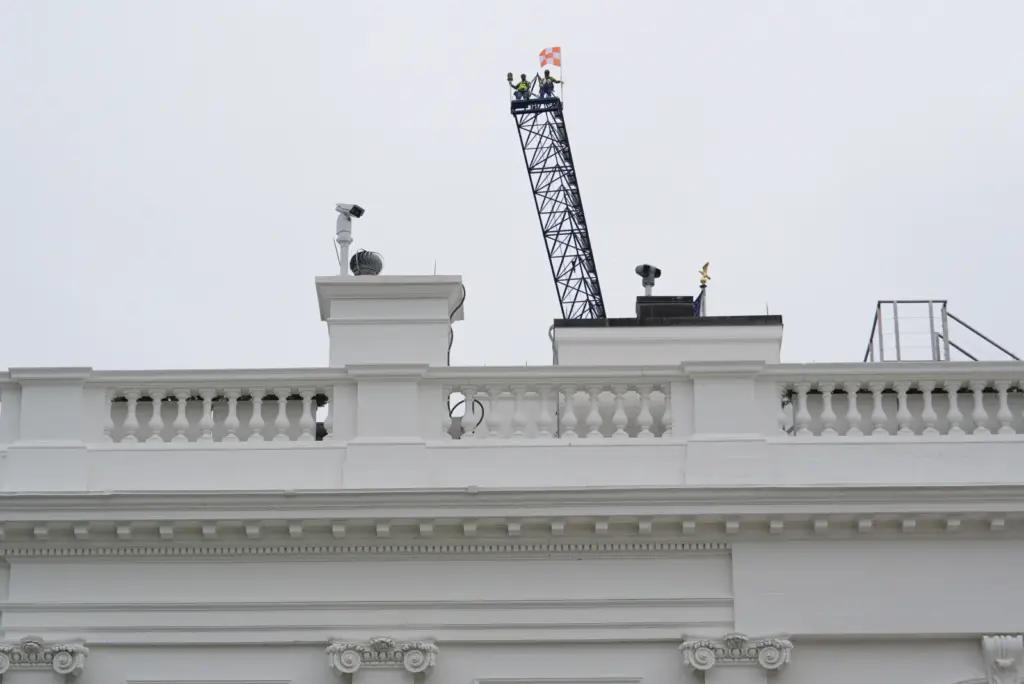
Security Focus Following WHCA Dinner Shooting
The White House has consistently defended the construction as a necessary, long-term national security investment. Officials have pointed directly to the April shooting as definitive evidence that off-site venues present unacceptable security risks for the president and high-profile dignitaries.
“It’s drone-proof. It’s bulletproof glass. We need the ballroom,” Trump told reporters shortly after the incident.
According to architectural blueprints released by the administration, the proposed 90,000-square-foot facility would feature advanced security reinforcement, state-of-the-art briefing capabilities, and a capacity to safely host up to 1,000 guests. The White House ballroom is tentatively expected to open in September 2028.
What’s Next for the White House Ballroom?
With the reconciliation pathway closed, the future of the ballroom remains highly uncertain. Securing the necessary 60 votes in the Senate will require bipartisan compromise, an unlikely outcome given the deeply polarized reactions to the project.
Amid the setback, Senate Majority Leader John Thune’s communication director, Ryan Wrasse, wrote on X that the plan is to “Redraft. Refine. Resubmit.”
“None of this is abnormal during a Byrd process,” he added Saturday.
While leadership may still attempt to insert the funding into a mandatory spending bill—such as the National Defense Authorization Act (NDAA) or an upcoming omnibus appropriations bill—Democratic leadership has signaled they will fiercely contest any renewed effort, calling the project an improperly prioritized luxury.
Read more Eli Manning Was Nearly Traded to Awful NFL Team Amid 2004 Draft