








The Strategic Petroleum Reserve (SPR) saw one of its largest weekly declines on record, but fuel‑price experts say the drawdown is tied to previously authorized sales — not a sudden supply crisis — and is unlikely to cause an immediate spike in gas prices.
Read more TrumpRx Adds Hundreds of Generic Drugs: What It Means for Prices
Patrick De Haan, Head of Petroleum Analysis at GasBuddy, told Newsweek in an email Monday that the weekly drop reflects ongoing, previously authorized sales and transfers, not a new crisis.
“Today’s fuel prices remain driven far more by crude oil markets, refinery operations, seasonal demand, and geopolitical developments than by the absolute weekly change in SPR inventories,” he explained, adding, “Unless there’s a significant global supply interruption, this draw by itself is unlikely to materially change near-term fuel prices.”
What is the Strategic Petroleum Reserve?
The SPR is the nation’s primary emergency buffer against oil shocks caused by hurricanes, wars, refinery outages, or global supply disruptions.
A shrinking reserve means the U.S. has less flexibility to blunt price spikes if a major disruption hits. And with the Strait of Hormuz still closed amid the Iran war, removing 15–18 million barrels per day from global flows, the U.S. has fewer tools left to stabilize markets if conditions worsen.
Today’s Average Gas Prices
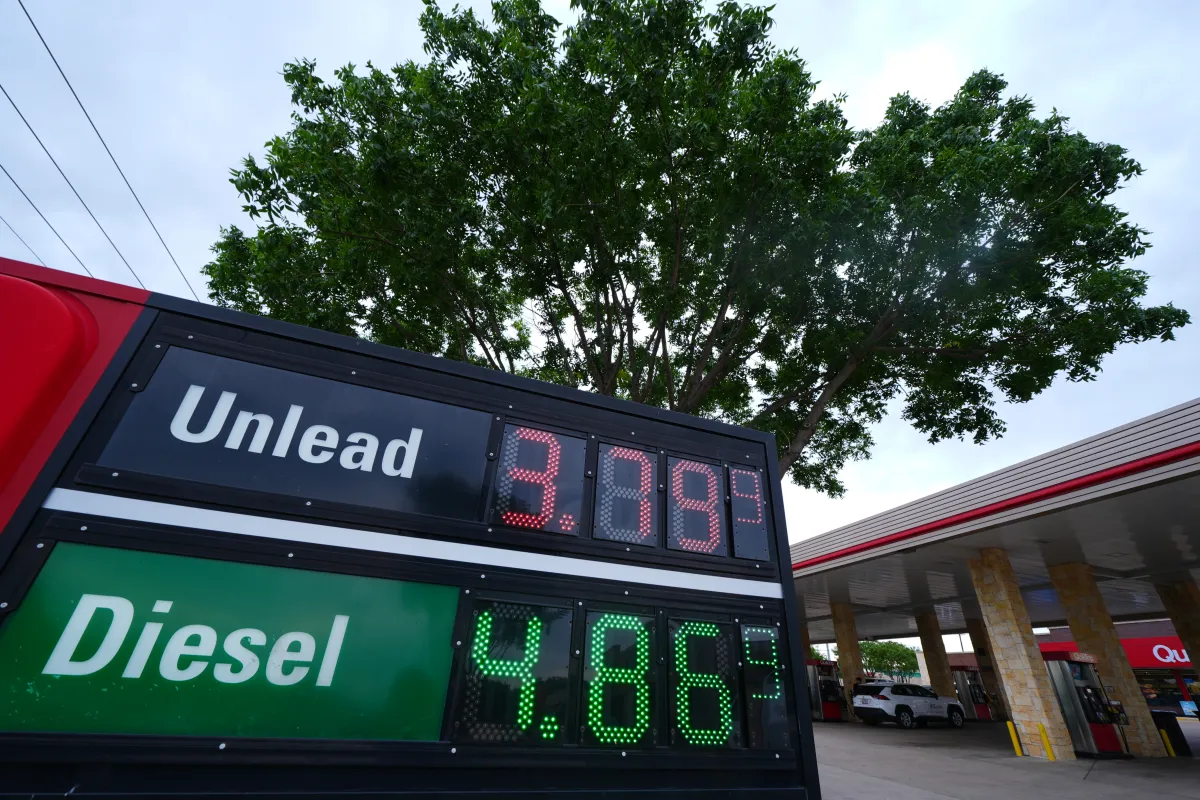
The national average price for regular gasoline is $4.515 per gallon, according to AAA’s latest daily data. That’s up sharply from the start of the year, when the national average sat at $2.81 in early January, and higher than last month’s average of $4.058.
Read more Jon Jones Takes Massive Shot at UFC Amid Public Feud With Dana White
Month‑over‑month, prices have climbed by more than 45 cents, driven by rising crude oil costs, seasonal demand, and tight fuel supplies. Compared with a year ago, today’s average is also significantly elevated — last May, drivers were paying about $3.18 per gallon.
Current fuel prices are being driven far more by crude markets, refinery operations, seasonal demand, and global instability — especially the Hormuz shutdown — than by week‑to‑week SPR changes.
What to Expect at the Gas Pump
While a record drop sounds like a crisis, De Haan said motorists should not expect an immediate impact at the pump because the draw was expected.
According to De Haan, prices remain tied to broader forces:
- Global crude benchmarks
- Refinery output and maintenance cycles
- Summer driving demand
- Geopolitical tensions, especially the Iran war and the Hormuz closure
Even a large SPR decline “doesn’t come close to offsetting the 15–18 million barrels per day being affected by the Strait of Hormuz closure,” De Haan noted.
What Happens Next
Energy analysts say the key risk is not today’s prices — but tomorrow’s emergencies. With a smaller reserve, the U.S. has fewer barrels available to counteract a sudden supply shock. If the Iran conflict escalates, if a Gulf hurricane hits refineries, or if another global disruption emerges, the government may have less ability to cushion the blow.
Read more Hunter Biden Tells Candace Owens She’s ‘Right On’ in Podcast Interview
For now, markets are watching:
- Whether the SPR continues to decline
- Whether the Hormuz shutdown worsens
- Whether summer demand spikes
- Whether crude prices climb on geopolitical fears