








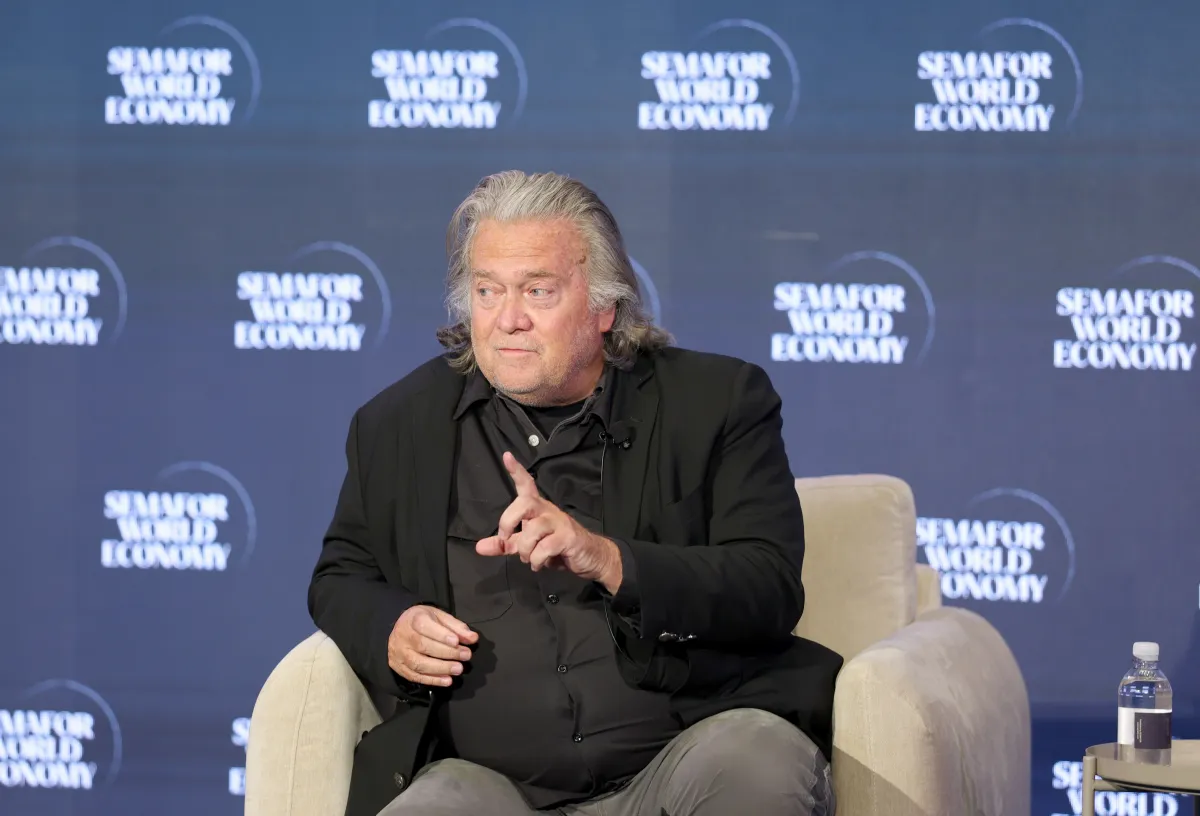
Steve Bannon, former White House adviser and key architect of President Donald Trump’s MAGA agenda, is raising fresh concerns about Trump’s China summit, criticizing the delegation of Silicon Valley executives, warning against a broad deal with Beijing, and opposing Trump’s openness to Chinese students and farmland investment while continuing to warn of rising tensions over Taiwan.
Read more Paul Pierce Urges LeBron James to Retire After Lakers’ Playoff Exit
While Trump is defending his negotiating approach and his openness to Chinese investment, Bannon and hardline conservatives are pushing back, arguing the president is compromising core America First principles at the summit.
Pushback on Chinese Investment and Student Visas
The most immediate political friction inside Trump’s coalition, however, has come from his remarks on education and land ownership.
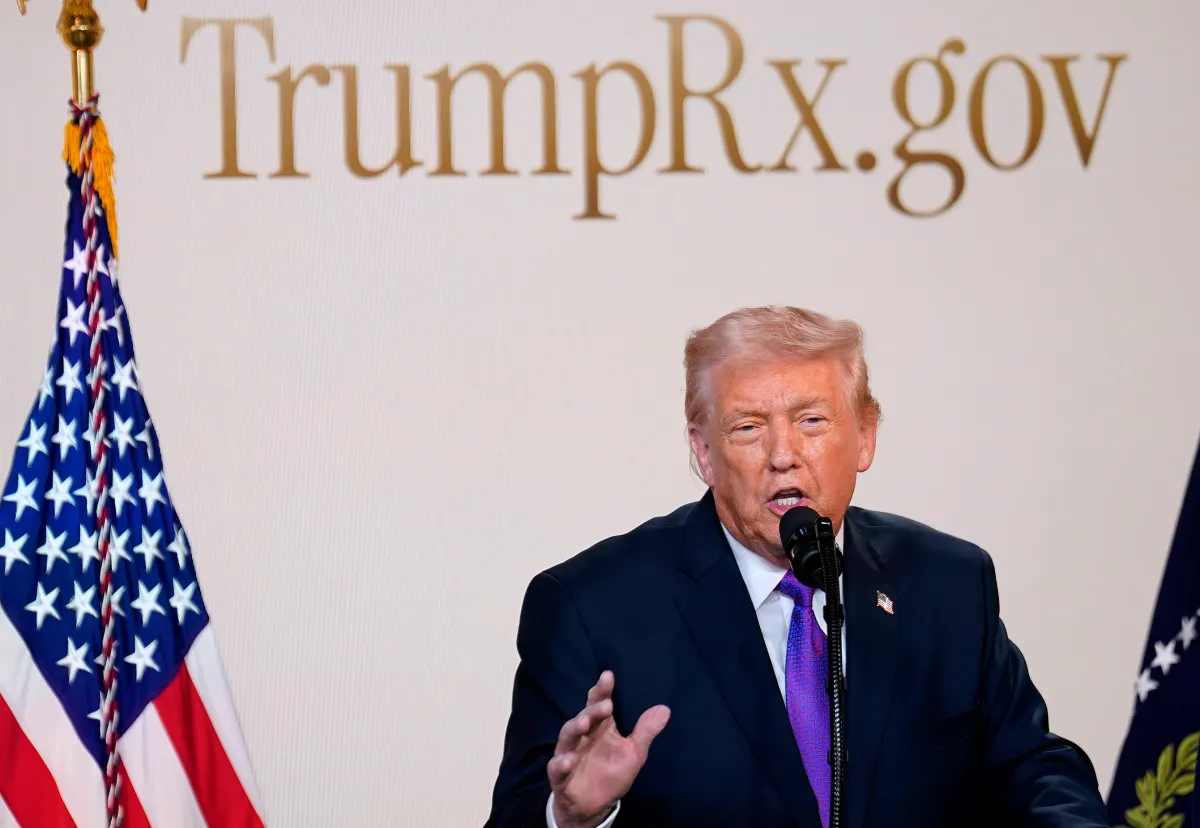
In a Fox News interview with Sean Hannity, Trump defended allowing up to 500,000 Chinese students to study at American universities and pushed back on proposals to restrict Chinese purchases of U.S. farmland.
“Look, it’s not that I love it. You want to see farm prices drop, you want to see farmers lose a lot of money? Just take that out of the market,” Trump said regarding foreign farmland purchases.
In the same interview, Trump argued that international students contribute to American higher education and that sweeping limits could undermine university systems. On the campaign trail, he had previously proposed granting green cards to international students who graduate from U.S. colleges, but later walked back the idea amid backlash from his base.
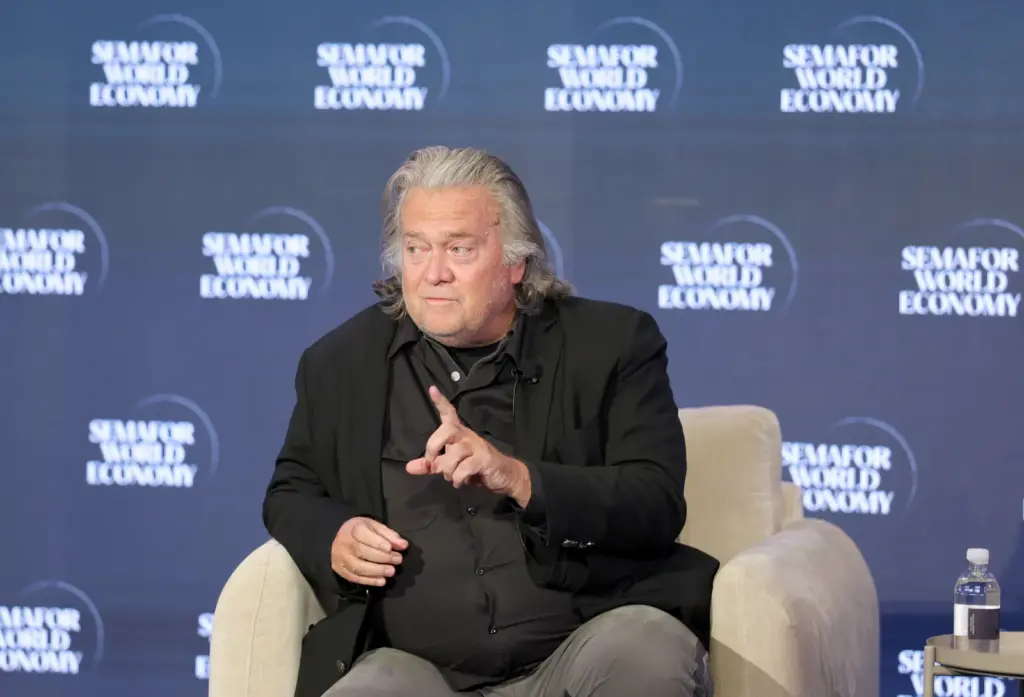
Bannon, who is widely seen as a key link between the MAGA movement and its grassroots base, responded shortly after with a blunt social media post, writing simply “ZERO” to signal his opposition to any such policy.
Other conservative figures quickly amplified the backlash.
Mike Cernovich questioned whether China had “defeated our country.” Robby Starbuck said that the 500,000 students “are by law required to act as spies for China” and argued that if removing them “sinks some schools, then they deserve to sink.”
Read more Polis Commutes Tina Peters’ Sentence After She Admits She ‘Made a Mistake’
“We shouldn’t even let a Chinese company visit American farmland, let alone own it. No exceptions,” he added.
Idaho state Representative Heather Scott pointed to state-level restrictions on foreign farmland ownership. Activist Laura Loomer posted a message directed at Trump, claiming that “every single Chinese student is a spy for the CCP” and warning against further Chinese immigration or investment. Commentator Ann Coulter also sarcastically referenced Trump’s interview, posting: “Promises made, promises kept!”
Alongside the debate over trade and domestic policy, Bannon has continued issuing warnings about Taiwan, often outside the immediate context of the summit. He has repeatedly suggested that a Chinese military move on the island could be imminent, describing the issue as a defining test of U.S. resolve that requires a hardline posture rather than further negotiation.
‘Mercantilist Class’ and the Deal Problem
Trump arrived in Beijing with a delegation of prominent executives, including Tesla CEO Elon Musk, Apple CEO Tim Cook and Nvidia’s Jensen Huang. Speaking on his War Room podcast, Bannon argued that this “mercantilist class,” as he describes it, continues to link American technological and financial power to a country he says is in direct strategic competition with the United States.
“We keep them afloat because the mercantilist class, people like Elon Musk and Jensen Huang, continue tying American economic power to a regime openly challenging the United States for global supremacy,” Bannon told his audience.
Writing on Gettr on Thursday, he argued that “the worst thing Trump could do under these circumstances is attempt a major deal,” adding that the most realistic outcome would be no comprehensive agreement beyond steps that might gradually facilitate economic separation between the two countries.
In his view, this relationship weakens long-term U.S. leverage, even as it benefits major corporations operating globally.
Read more Deion Sanders Wants to Have Words With Browns’ Todd Monken About Shedeur