








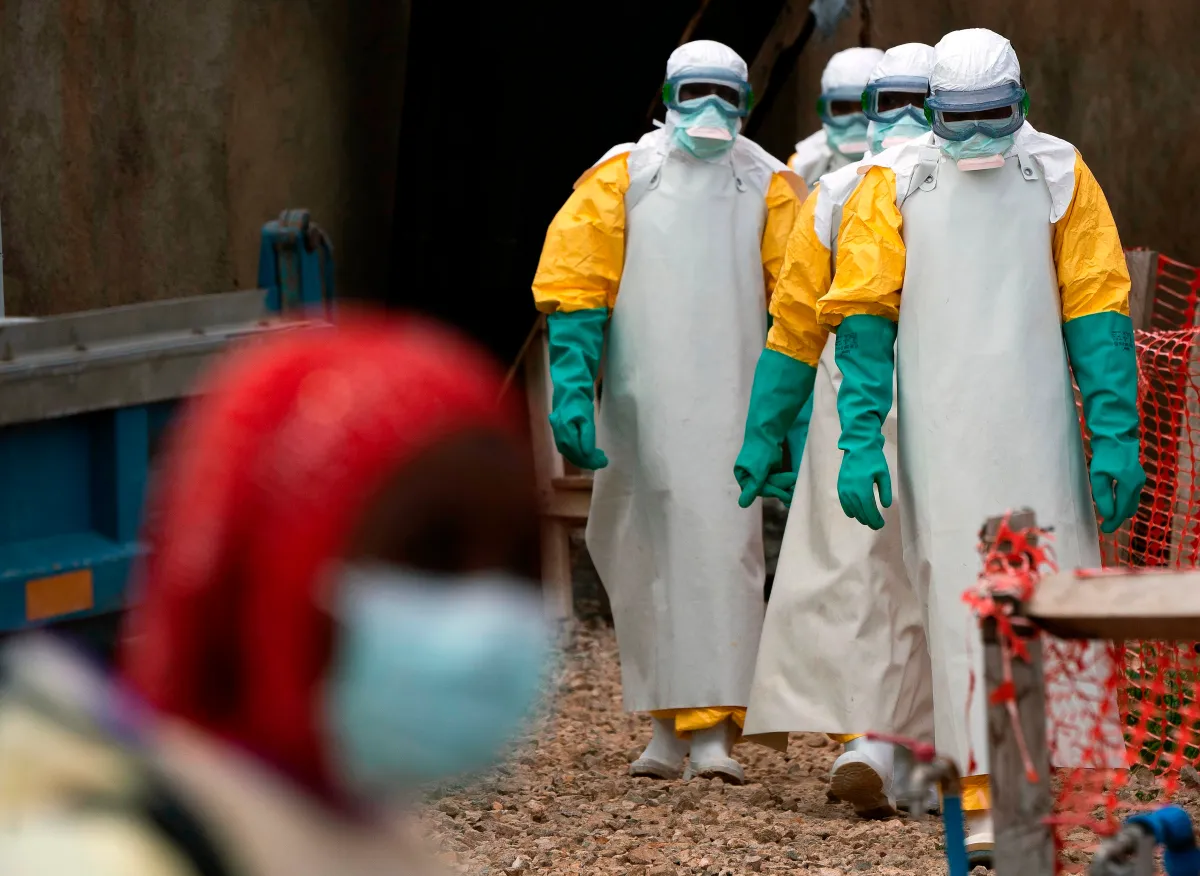
A growing Ebola outbreak in the eastern Democratic Republic of the Congo has killed at least 80 people, according to health authorities, prompting regional containment efforts and a U.S. travel advisory for the affected province.
Read more Anthony Edwards Draws Attention for What He Did Before Loss to Spurs
Lab testing confirmed the Bundibugyo strain of Ebola—a variant less common in the Congo and one for which existing vaccines and treatments are less effective.
Congolese Health Minister Samuel‑Roger Kamba stated Friday that while only eight cases have been laboratory‑confirmed so far—including four deaths—the overall toll is drastically higher because many cases are identified late or go untested. As suspected cases approach 250, this marks the country’s 17th Ebola outbreak since the virus first emerged in 1976, PBS reported.
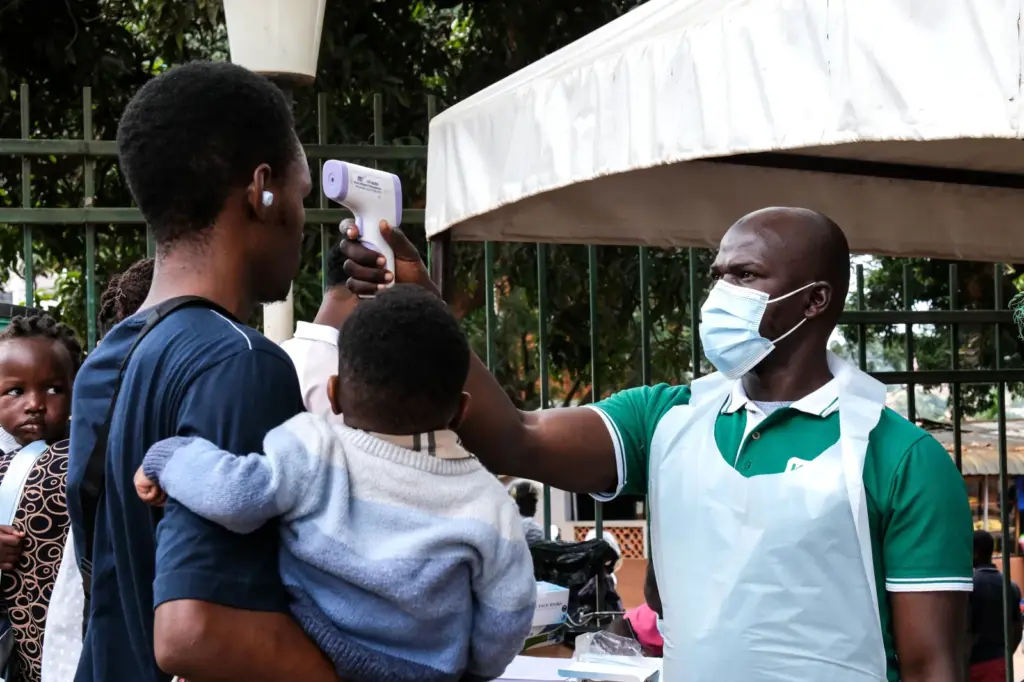
The Africa CDC, the World Health Organization (WHO), and the U.S. Embassy have all warned of a heightened risk of cross‑border transmission. That threat has already materialized as a patient died on May 14 at Kibuli Muslim Hospital in Kampala, marking Uganda’s first confirmed case of the outbreak.
The alert comes as global health officials are already on edge over a separate hantavirus outbreak linked to a cruise ship, which has triggered travel restrictions and heightened screening across multiple countries.
Where Is the Outbreak?
The Ebola outbreak is centered in Ituri province in northeastern Congo—specifically the Mongbwalu, Rwampara, and Bunia health zones.
Since the province borders Uganda, health agencies are treating the situation as a regional threat, especially after Uganda confirmed an imported case.
Kamba said the suspected case is a nurse in Bunia who died after showing classic Ebola symptoms such as fever, bleeding, vomiting, and severe weakness, PBS reported. The case dates back to April 24, suggesting the virus circulated for weeks before detection.
As of Friday, Africa CDC said approximately 246 suspected cases were reported.
“Four deaths have been reported among laboratory-confirmed cases,” the alert said. “Suspected cases have also been reported in Bunia and are pending confirmation.”
“These figures remain provisional and are being validated through laboratory confirmation, line-list harmonization, contact identification and epidemiological investigation,” health officials said in Friday’s press release.
How Are Health Agencies Responding
The outbreak is centered in Ituri province, a region that borders Uganda and is already marked by insecurity, mining‑related migration, and limited access for health workers.
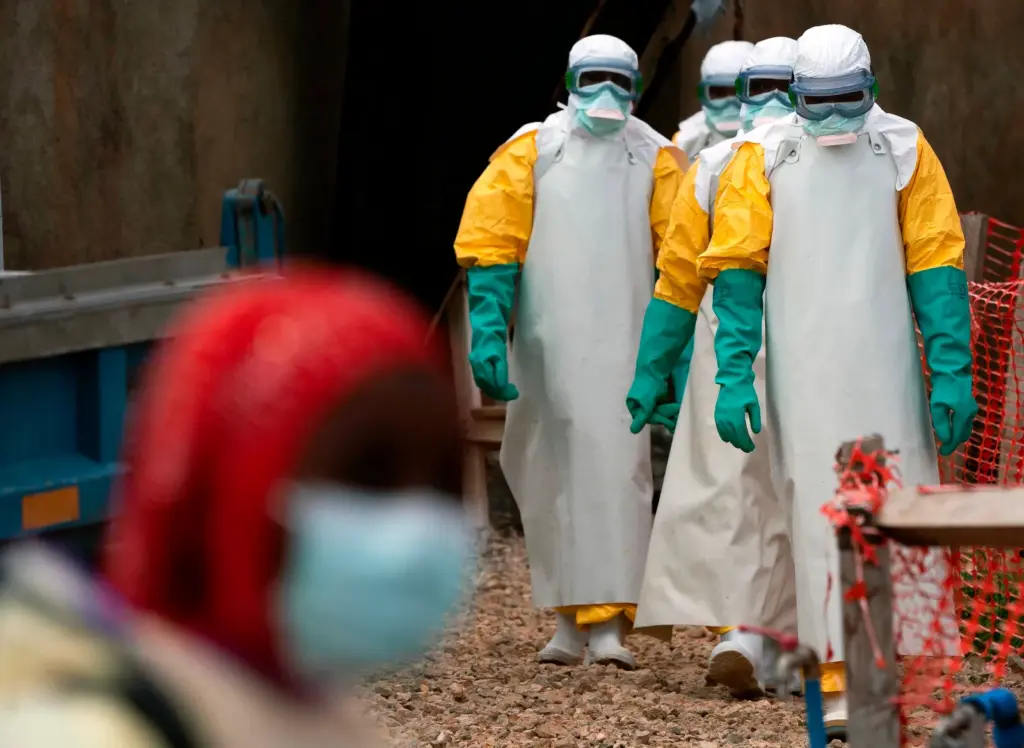
The WHO has deployed epidemiologists, IPC specialists, logisticians, and laboratory experts to Ituri. The agency said in a press release Friday that it has airlifted a little over 11,000 pounds of supplies—including PPE, sample‑transport kits, tents, and case‑management materials—to Bunia.
WHO is supporting active case finding, contact tracing, safe burials, and community engagement, but points out that “the outbreak is affecting areas that present significant operational challenges, including urban areas with intense population movements associated with mining activities, insecurity, and frequent cross- border movement—all of which increase the risk of further transmission.”
Read more Map Shows Where Redistricting Wars Stand After Virginia Blocked
Dr. Mohamed Janabi, WHO regional director for Africa, said the organization is “mobilizing swiftly” to stop transmission and protect communities.
Travel Warning Issued
The U.S. Embassy in Uganda issued an alert on May 15 warning Americans of the outbreak in Ituri province.
The U.S. State Department lists Ituri as Level 4: Do Not Travel, citing Ebola activity, insecurity, and the government’s inability to provide emergency services in the area.
Americans are urged not to travel there for any reason and to avoid all non‑essential movement near the Congo–Uganda border. Travelers returning from outbreak areas should monitor their health for 21 days and alert a healthcare provider before seeking care if symptoms appear.
The embassy advises travelers to also continue malaria prophylaxis, as malaria symptoms can resemble early Ebola illness.
Americans abroad are encouraged to enroll in STEP for security updates and confirm that their travel insurance includes medical evacuation coverage.
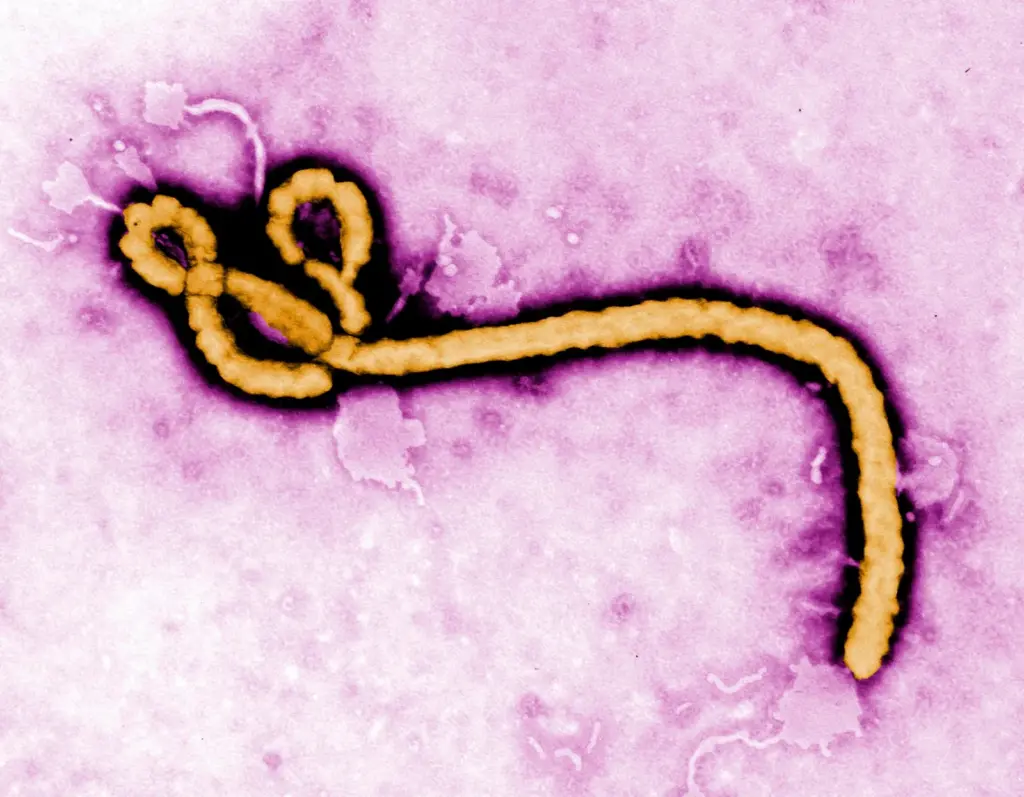
What Is Ebola?
Ebola is a severe, often fatal viral hemorrhagic fever caused by viruses in the Ebolavirus genus, according to the Centers for Disease Control and Prevention (CDC). It spreads through direct contact with the blood, bodily fluids, or tissues of an infected person, through handling infected corpses, or by touching contaminated objects such as bedding or medical equipment.
Once inside the body, the virus attacks the immune system and blood vessels, leading to symptoms that typically begin with fever, weakness, muscle pain, and headache, and can progress to vomiting, diarrhea, rash, organ failure, and internal or external bleeding.
There is no cure, but early supportive care—including rehydration, oxygen support, and treatment of complications— significantly improves survival. Existing vaccines and monoclonal antibody treatments target the Zaire strain, meaning they may be less effective against the Bundibugyo species driving the current outbreak in Ituri.
Ebola outbreaks are often worsened by delayed detection, limited healthcare access, and population movement, making rapid identification, isolation, contact tracing, and safe burials essential to stopping transmission.
What Happens Next
The WHO and Africa CDC warn that the next 1–2 weeks will be critical in determining whether the outbreak stabilizes or expands.
Officials say more testing is underway to determine how widely the virus has spread.
Read more Bill Cassidy’s Chances of Losing In Louisiana As Voters Head To Polls