








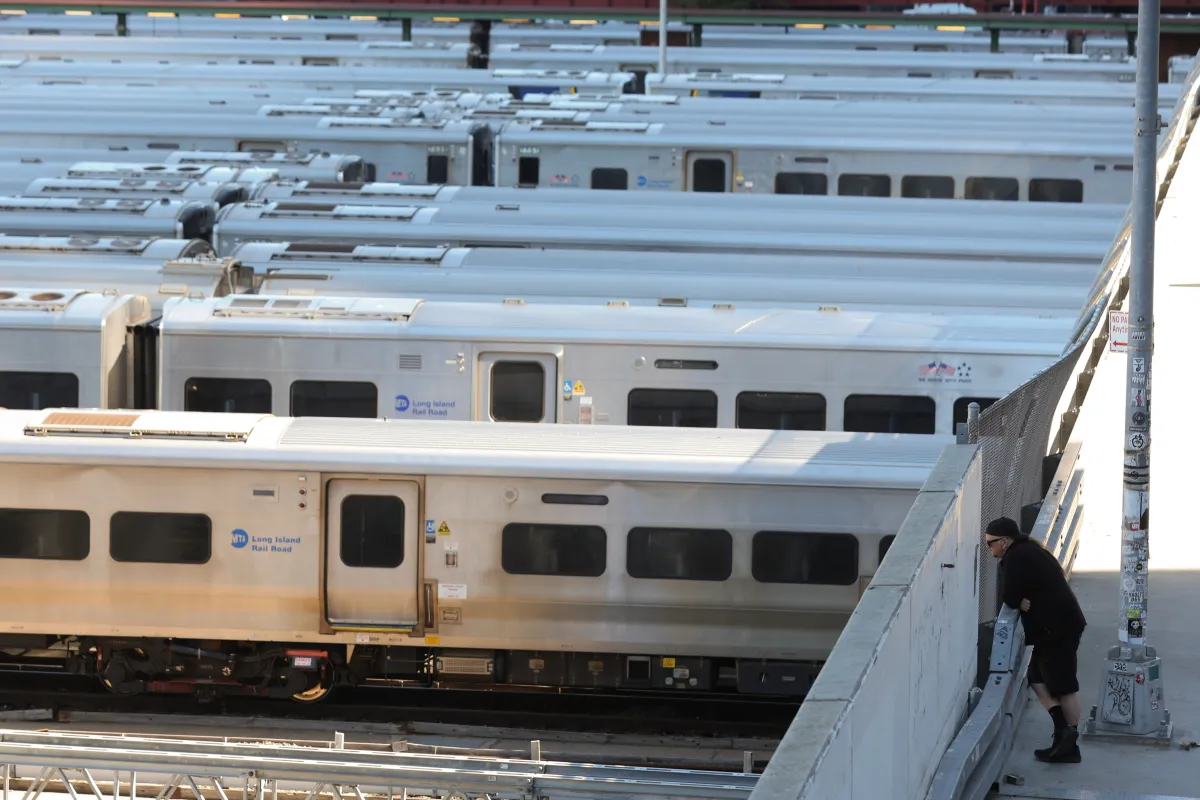
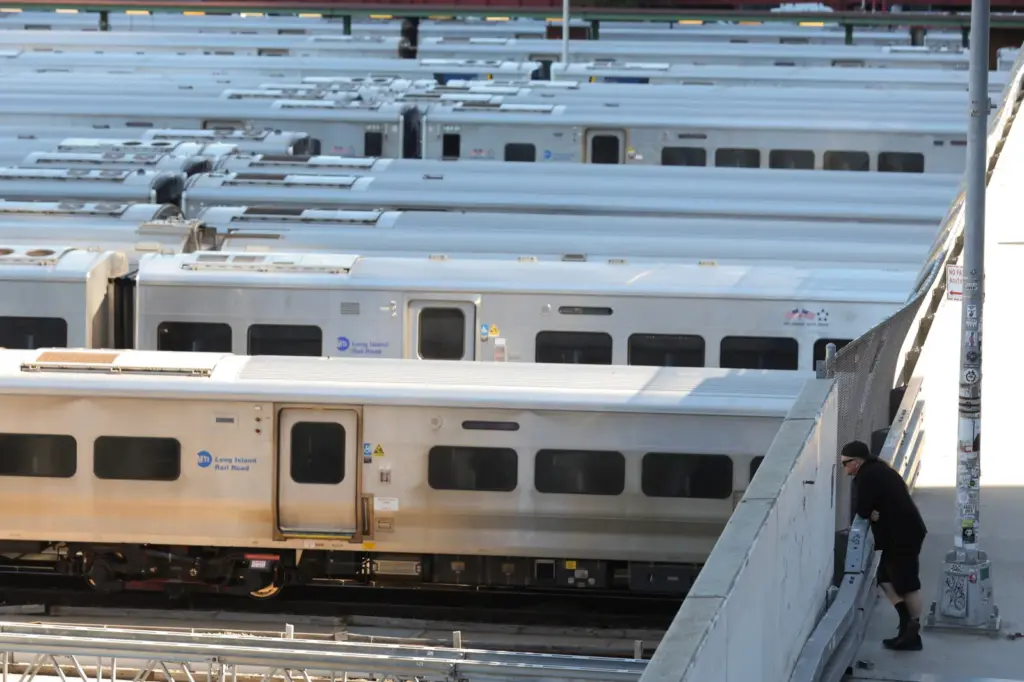
Thousands of workers at New York’s Long Island Rail Road (LIRR) went on strike early on Saturday morning for the first time in more than 30 years, paralyzing North America’s largest commuter rail system.
Read more Caitlin Clark Speaks Out on 3-Point Struggles After Game-Tying Shot
Five labor unions collectively representing about 3,500 LIRR workers among engineers, electricians, signal inspectors, machinists and ticket agents—or over half of the railroad’s workforce—announced the walkout after negotiations for a new contract with the Metropolitan Transportation Authority (MTA) failed on Friday.
An estimated 300,000 people ride the rail system every day to reach New York City from Long Island suburbs and will be forced to find alternative ways to move across the area.
New York City Mayor Zohran Mamdani warned that New Yorkers “should prepare for heavier-than-usual traffic, crowded transit options and additional travel time.”
In a post on X, he wrote: “We are continuing to closely monitor the ongoing contract negotiations involving the LIRR. City Hall and agencies across the administration are actively coordinating preparedness and contingency efforts to help maintain continuity for commuters and support New Yorkers as conditions evolve.”
New York Governor Kathy Hochul has blamed the unions for the disruptions caused to commuters by the strike, stating her support for the MTA.
“Commuters are dealing with unnecessary dysfunction and thousands of union LIRR workers are being forced to go without a paycheck because of decisions made by a small group of union leaders,” she said. “I stand with LIRR riders and will fight to preserve the long term stability of the MTA.”
Why Are LIRR Workers Striking?
Months of negotiations between the labor unions and the MTA collapsed over wage increases and health care premiums for the rail system’s workers on Friday.
While the two parties did not release details of their talks, we know that the unions were asking for a total raise of 16 percent over four years, which they said would help workers keep up with inflation.
Janno Lieber, the MTA chairman, said the corporation had agreed to the new pay demand in the form of a lump-sum rather than a recurring increase, according to the Associated Press and amNewYork, despite pointing out that they would lead to higher fares for LIRR riders.
Read more Donald Trump Blasts Bill Cassidy As ‘Disloyal Disaster’: ‘Sleazebag’
But the MTA asked for new hires to the LIRR to pay higher health care premiums to offset some costs, and the union rejected the idea and decided to walk off the job on Saturday at 12:01, as soon as legally allowed.
The last time LIRR workers were on strike—for about two days—was in 1994.
“This is an open-ended strike. We don’t know when it will end. It shouldn’t have begun. Management through their provocations and game-playing own this one,” said Gilman Lang, who serves as general chairman of the Brotherhood of Locomotive Engineers and Trainmen, as reported by amNewYork.
What Alternatives Do Commuters Have?
The MTA is encouraging everyone who can work from home to do so, while also announcing a limited weekday bus service will be available for essential workers and other New Yorkers who are unable to work remotely.
Buses will run during peak hours (toward Manhattan from 4:30 to 9 a.m. and to Long Island from 3 to 7 p.m.) to/from six locations on Long Island to subway transfer points in Queens.
There will also be limited reverse peak service available on some routes.
These are the peak and reverse peak direction service, as described by the MTA:
- Bay Shore (LIRR) to Howard Beach-JFK Airport A
- Huntington (LIRR) to Jamaica-179 St F at Hillside Av and 179 St
- Ronkonkoma (LIRR) to Jamaica-179 St F at Hillside Av and 179 St
- Hempstead Lake State Park, near Lakeview (LIRR), to Howard Beach-JFK Airport A
- Hicksville (LIRR) to Howard Beach-JFK Airport A
- Mineola (LIRR) to Howard Beach-JFK Airport A
The shuttle bus service will be free. Riders can tap and ride using your phone, credit or debit card, or OMNY Card for transfers to the subway and MTA buses.
Travelers coming from Nassau County should also consider using NICE Bus to connect to/from points in Queens, both at peak and reverse peak times, the MTA wrote.
When Will the Strike End?
On its website, the MTA said its leaders “will continue to negotiate with the unions to resolve the strike.”
But no new negotiations have been scheduled so far between the five unions on strike and the MTA. Janno Lieber, the MTA chairman, said the agency “gave the union everything they said they wanted in terms of pay.”