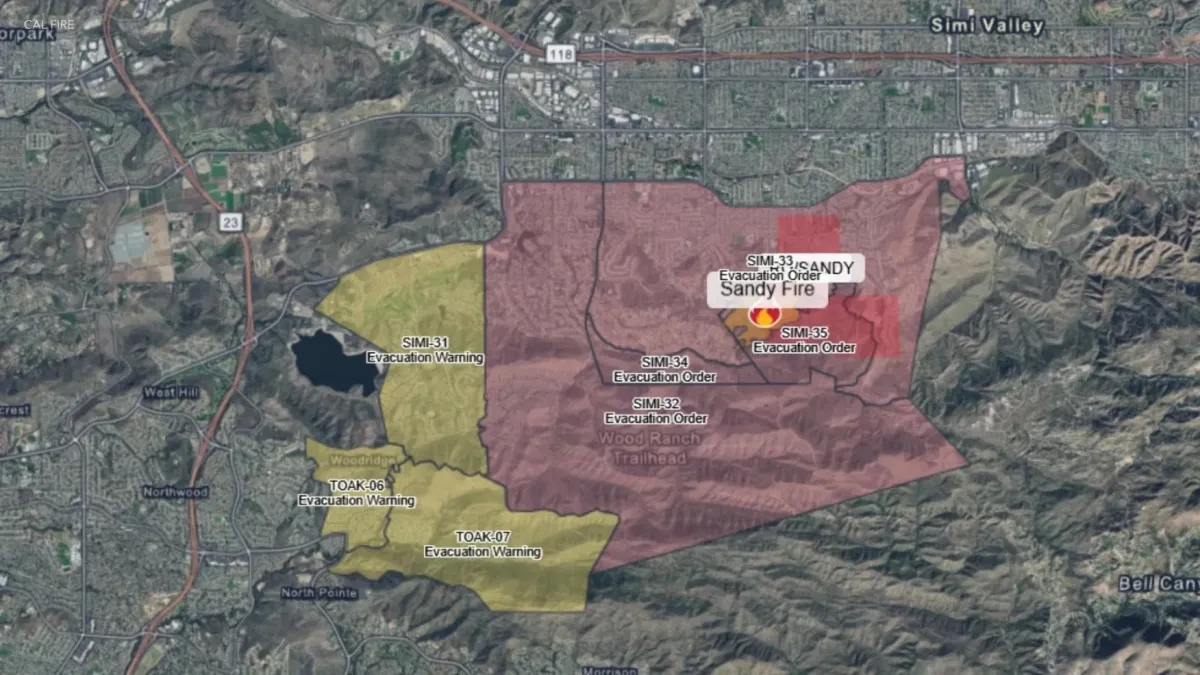









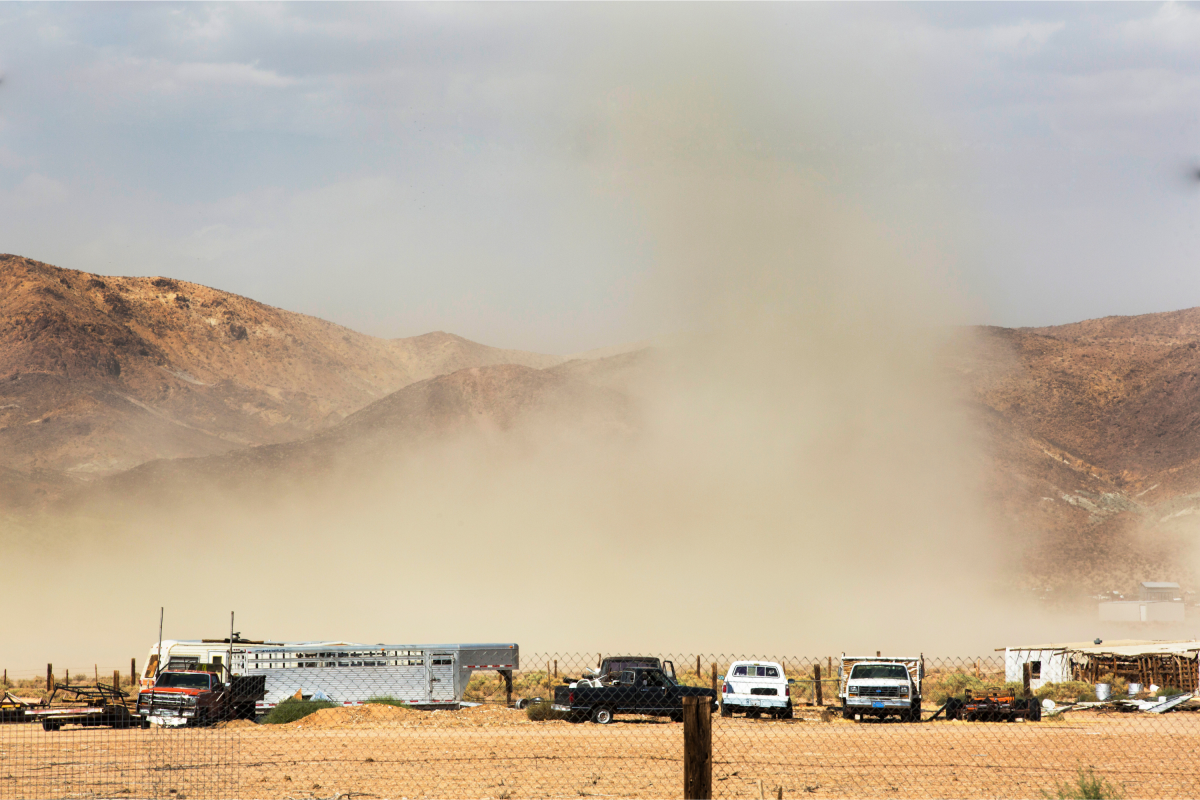
Air quality alerts have been issued across parts of southern California and southeastern Colorado, with the National Weather Service (NWS) warning that “hazardous” levels of pollution from windblown dust and wildfire smoke could pose serious health risks to millions of residents through the weekend and into early next week, with those affected advised to “keep windows and doors closed.”
Read more Coco Gauff Gets Brutally Honest After Losing Italian Open
Where Air Quality Is Affected—and Until When
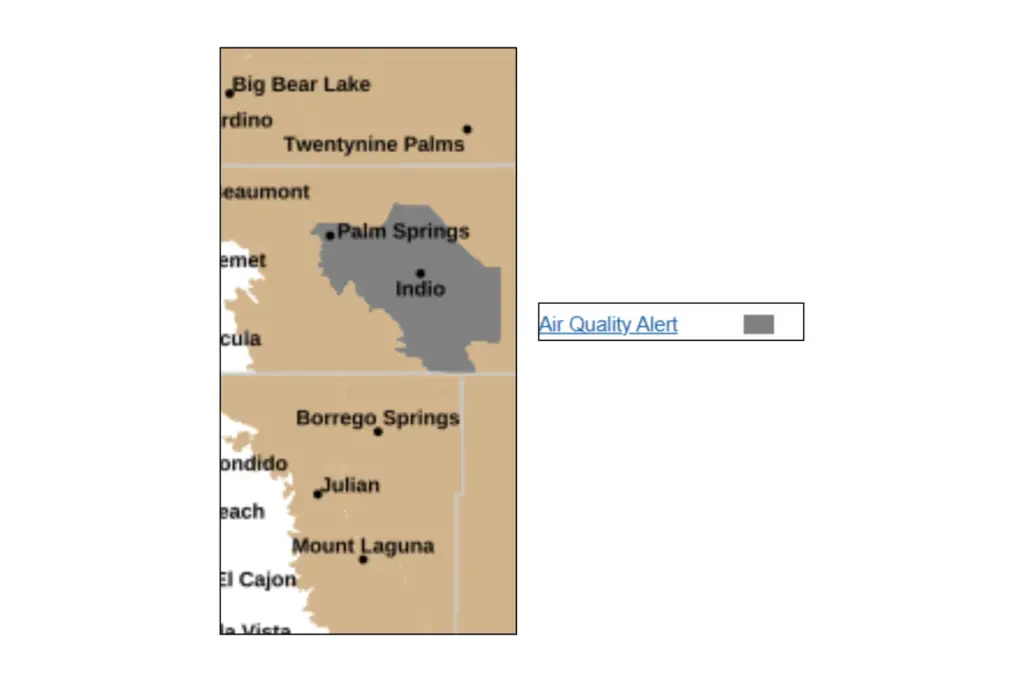
In southern California, the South Coast Air Quality Management District has placed the Coachella Valley and the San Gorgonio Pass near Banning—including cities such as Palm Springs, Indio, and La Quinta—under an air quality alert until Monday morning.
Further south, in California’s Imperial Valley, a separate alert tied to blowing dust is in effect during the daytime and evening hours of Sunday, running roughly from midday to midnight.
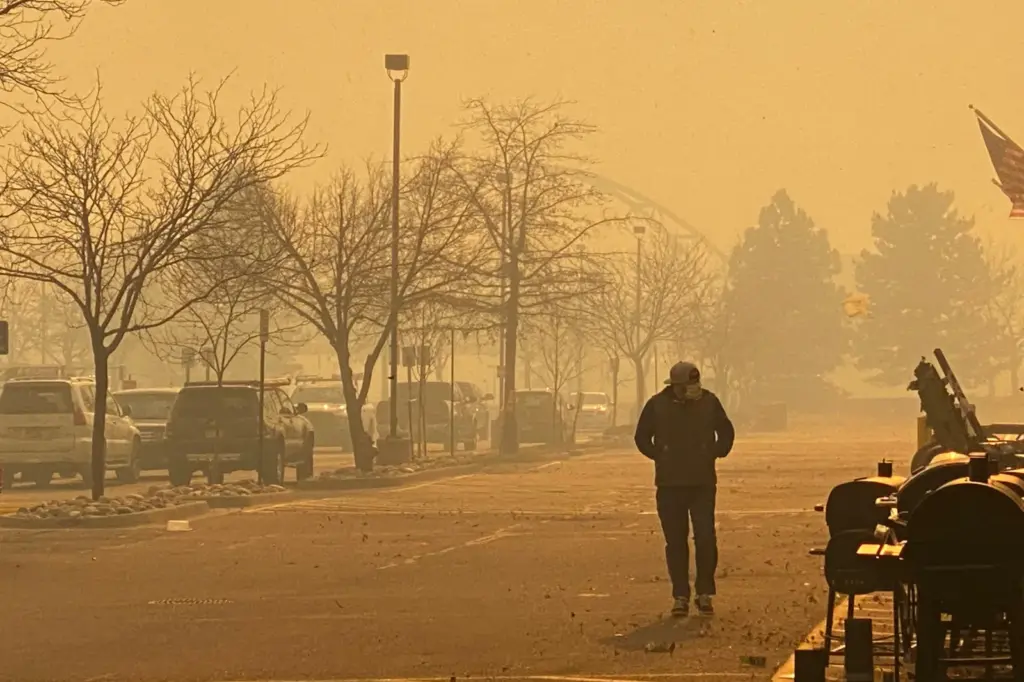
Meanwhile, in southeast Colorado, a different but equally serious threat is unfolding. An air quality health advisory for wildfire smoke is in place across Bent, Prowers, Otero, Las Animas, and Baca counties, including towns such as Trinidad, Lamar, and La Junta. That advisory runs until Sunday morning.
Why Air Quality Is So Poor
The underlying causes differ by region but share a common outcome—dangerous levels of fine particle pollution.
In California’s desert regions, strong winds are lifting dust and loose soil into the air, creating dense concentrations of airborne particles of pollution. This is especially common in arid landscapes like the Coachella and the Imperial valleys, where dry ground and sparse vegetation make it easier for wind to kick up debris.
In contrast, Colorado’s air quality issues stem from wildfire smoke, which contains a mixture of gases and microscopic particles produced by burning vegetation and other materials. Multiple active fires in the region are sending plumes of smoke across populated areas, leading to periods of moderate to heavy smoke throughout the day.
Read more Trump Savors Bill Cassidy’s Defeat After Thomas Massie’s Poll Win
What Is Particle Pollution—and Why Is It Dangerous?
At the center of these alerts is particle pollution, also known as particulate matter. These are tiny solid and liquid particles suspended in the air—often so small they can’t be seen with the naked eye.
The most concerning particles are fine particles, which are often smaller than the width of a single strand of hair, and can be unknowingly inhaled deep into the lungs and even enter the bloodstream. Because of their size, they can bypass the body’s natural defenses in the nose and throat.
Exposure to high levels of particle pollution has been linked to:
- Asthma attacks and breathing difficulties.
- Worsened heart and lung disease symptoms.
- Increased risk of lung infections.
- Heightened risk of serious cardiovascular events.
While anyone can be affected, children, older adults, and people with existing heart or lung conditions are especially vulnerable. People who spend extended time outside—such as outdoor workers—are also at higher risk.
What People Should Do to Protect Themselves
The NWS is urging residents in affected areas to take precautions, particularly when air quality levels reach “unhealthy” thresholds:
- Limit time outdoors, especially strenuous physical activity.
- Stay indoors with windows and doors closed.
- Use air conditioning or air purifiers to maintain indoor air quality.
- Avoid adding to indoor pollution through burning candles, using fireplaces, or grilling.
- If visibility drops significantly in smoke-filled areas, treat conditions as unhealthy and relocate until conditions improve.
How to Help Reduce Future Risk

Beyond the immediate precautions, the NWS emphasizes the steps that individuals can take to limit pollution levels over time:
- Reduce emissions released through driving by carpooling, working from home, or using public transport.
- Drive slowly on dirt roads to prevent kicking up dust.
- Stabilize loose soil in dry areas.
- Avoid using gasoline-powered lawn equipment.
Key Takeaways
From wind-driven dust storms in California to wildfire smoke in Colorado, multiple regions are grappling with dangerous air quality conditions. With particle pollution capable of penetrating deep into the lungs and bloodstream, authorities stress that even short-term exposure can have serious health effects—making awareness and preventive action critical in the days ahead.
Read more Thomas Massie’s Chances of Defeating Trump and the Billionaires